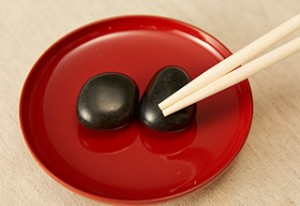
お食い初めの時に必要なものとして「石」がありますこれは「歯固め石」として「小石を噛んでも大丈夫なくらい丈夫な歯が生えるように」という願いを込めるのに使う小石のことです。
食べ物に困らないようにという願いも込められている行事にふさわしい「石」ですね。
またこのほかにも、赤ちゃんの頭は柔らかいので、早く頭が固くなりますようにという願いも込められていると言われます。
歯固め石はどうやって準備するもの?個数は?
The hagataishi stone used in the okuizome ceremony carries the profound wish that the infant will develop strong, healthy teeth that last a lifetime, symbolized by touching chopsticks to the stone and then gently pressing them against the baby’s gums. Traditionally, families obtain smooth, round pebbles approximately one to three centimeters in diameter, with the most common practice being to select one to three stones from the grounds of a local shrine or riverbank. The number of stones varies by regional custom, with some areas preferring a single stone while others use three stones of different sizes representing the family’s hopes for strength, longevity, and prosperity. Many Shinto shrines throughout Japan now offer hagataishi as part of their okuizome blessing services, providing stones that have been ritually purified and blessed by shrine priests. For families unable to visit a shrine, commercially available hagataishi sets can be purchased from baby specialty retailers and online marketplaces, often accompanied by certificates of shrine blessing and instructions for proper ceremonial use.
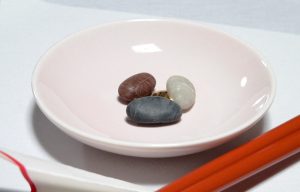 お食い初めの石は準備を忘れて姉妹が位置なものです。
一般ではお宮参りのを行なった神社で「お食い初めの石」を受け取るか、神社で拾って帰るものとなっています。
早い段階で準備をされていない場合はお食い初めの膳を依頼するば愛はそちらに聞いてみましょう。
お食い初め膳のセットに「歯固め石」も一緒に同封されている所と、セットに含まれない所があります。
御膳の上に食べ物と一緒に置きますが、一般的には小石を3個用意します。
| 歯固め石の個数 |
|---|
| 3つ 正式には黒、赤、白の3種類 |
正式には歯固め石は黒、赤、白の3種類の石を使うものとされていますが、なかなか見つからないことも多いため、あまりこだわって守られているものではないようです。
歯固め石の代用品
お食い初めを予定していた日までに準備が間に合わなかったり、にうっかり歯固め石を忘れてしまったという場合などに歯固め石の代用品として使われているものを紹介します。
一部は地域によって歯固め石ではなく他のものを風習で使っている場所もあります。
| 歯固め石の代用ができるもの |
|---|
| タコ 歯固め石の代用品として有名なものが「タコ」です。関西から四国地方の間では古くから使われているものでタコが使われる理由は語呂合わせで「多幸」からきており縁起の良い食べ物とされています。 そういえば大阪では「たこ焼き」が人気なのも影響しているのかも、、、 また、タコには綺麗な吸盤が規則正しく並んでいることもあり歯並びが綺麗になりますようにとの願いも込められています。 |
| 栗・くるみなど 歯固め石の代用品として使われる理由は硬い物であるからです。「歯が丈夫に育ちますように」との願いが込められている歯固め石の儀式にぴったりの代用品です。 |
| 梅干し 梅干しが代用される理由には固い物ではないのですが、梅干しのシワに願いが込められています。シワシワのおじいちゃんやおばあちゃんになるまで長生きできますようにという理由です。 |
| アワビ 高級食材のアワビですが食材としては歯ごたえがあり、なかなか噛み切ることができない丈夫なものです。歯固め石の代わりに使われている地域は岩手県のみで見られる風習ですが「アワビのように固い食べ物のでも噛み切れるように」という歯が丈夫に生えてくることを願ったものです。 |
| 紅白餅 日本のお正月には欠かせない「お餅」その中でも紅白餅は縁起物として今でもお祝いの時に出てくる食べ物です。 餅は日持ちがよく保存している時は硬くなることもあり歯固め石の代用品として使われます。 |
| 碁石・パワーストーン 神社で拾っていないものでも歯固め石の代用をすることはできます。碁石やパワーストーンなども固いものですから利用される時もあります。 |
| 自宅にある石 自宅に石やパワーストーンなどを飾ってあるご家庭などでは歯固め石の代わりとして使われることがあります。 |
地域によっては石ではなく「蛸」や「栗」を準備するところもあります。地域に合わせて準備するものを伺ってみましょう。
歯固め石を探す場所
現在では、上記にありますが神社でお宮参りをした際に歯固め石をいただくこともありますが、歯固め石がない場合もあります。そんな時は赤ちゃん用品の強い味方西松屋やアマゾンなどでお清めをされた歯固め石のセットを手に入れることもできますし、ご自身で拾ってくる方法もあります。
ここでは歯固め石の探し方や適した大きさなどとオススメの購入先などを紹介していきます。
神社や地域の石がある場所で探す場合
西松屋
アマゾン
歯固め石の消毒の方法
歯固め石として石を使う場合は赤ちゃんの口元につけるため必ず洗浄をし、お湯を沸かし煮沸消毒をしてから使用してください。
お食い初めが終わった後の歯固め石はどうする?
After the okuizome ceremony concludes, the proper handling of hagataishi stones reflects important cultural values regarding gratitude and spiritual respect in Japanese tradition. The most traditional practice involves returning the stones to the shrine or natural location from which they were originally collected, expressing thanks to the kami spirits for lending their protective power during the ceremony. Some families choose to preserve the hagataishi as a cherished keepsake of their child’s milestone celebration, storing them in a decorative pouch or box alongside other mementos such as the ceremonial chopsticks and the baby’s first photographs. Regional customs vary considerably regarding post-ceremony stone handling, with certain areas in Kansai recommending burial in the family garden as a symbolic gesture of rooting the child’s health in the home environment. Modern families increasingly document the ceremony and stone ritual through professional photography before making their decision about the stones’ final disposition.
拾ってきた神社に返す場合とそのまま、保存しておく場合の両方の場合があります。地域によって風習もあるものなので、お子さんが育つ地域の神社などに聞いてみましょう。
「歯固め石」を戻す場合
お食い初めが終わった後に綺麗にして神社の境内に戻します。
「歯固め石」を戻さない場合
歯固め石は、神社に戻さず水瓶に入れておき、赤ちゃんが熱を出した時にその石を用いて熱を下げる願掛けに用いるところもあるようなので、買った時の処理に迷っても必ず神社に返さなければいけないということも無いようです。
地域によっては、神社ではなく水辺の小石を拾って用いたり碁石を用いたりと様々です。
歯固め石の使い方
The ritual application of hagataishi during the okuizome ceremony follows a precise ceremonial sequence that has been transmitted through generations of Japanese families with remarkable consistency. The designated elder, typically the oldest family member of the same gender as the infant, picks up the ceremonial chopsticks and gently touches them to each hagataishi stone before lightly pressing the chopsticks against the baby’s gums, symbolically transferring the stone’s enduring strength to the child’s developing teeth. This gesture is performed with great tenderness and care, as the stones are never placed directly in the infant’s mouth due to obvious safety concerns. The ceremony is accompanied by spoken wishes for the child’s dental health and overall physical wellbeing, often including traditional phrases that have been passed down within specific families or regional communities. Understanding the correct technique ensures that families can perform this meaningful ritual with confidence and cultural authenticity.
歯固め石は、赤ちゃんに噛ませるか、石を箸で触り、触った箸の先を赤ちゃんの歯茎につけるというやり方をします。
順番は何番目?
お食い初めの儀式は赤ちゃんの口に運ぶ真似をする儀式です。
ご飯→汁→ご飯→魚 ご飯→汁→ご飯→煮物→ご飯→汁→ご飯→酢の物→ご飯→汁→ご飯→歯固め石→ご飯→汁
の順番で行います。
石ではなく、固い栗の実やタコを用いる地域があります
関西地方ではタコを用いる地域があります。「固いタコでも食べられる丈夫な歯になるように」と
「多幸」という意味を込めてタコを用います。吸うマネをさせる地域もあるようです。
参考文献・出典
本記事の内容は、上記の公的機関の情報および日本の伝統行事に関する文献を参考に、「日本の行事」編集部が独自に調査・編集したものです。